Over fifteen years in occupational health, working across the UN system, European research institutions, and field studies in Europe and North America.
I am a health foresight specialist and occupational health researcher. My work sits at the convergence of three domains: the science of work-related health risks, the methodology of strategic foresight, and the design of participatory processes that bring those two together.
Organisations come to me when they need to turn complex, uncertain trends, technological, social, environmental, about the future of work and health into structures they can act on: scenarios, roadmaps, risk frameworks, and training programmes grounded in evidence.
My work spans three areas that inform one another: the science of preventing work-related harm, the technology that lets us measure it, and the foresight to anticipate how both will change.
The science of preventing work-related harm.
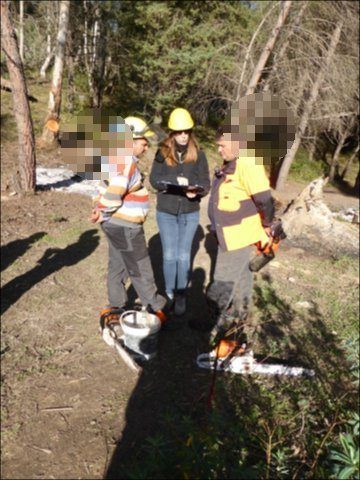
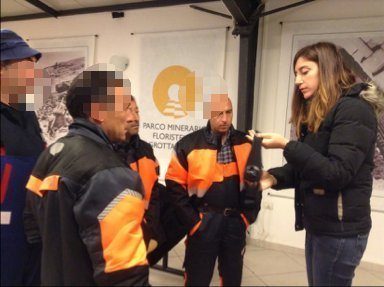
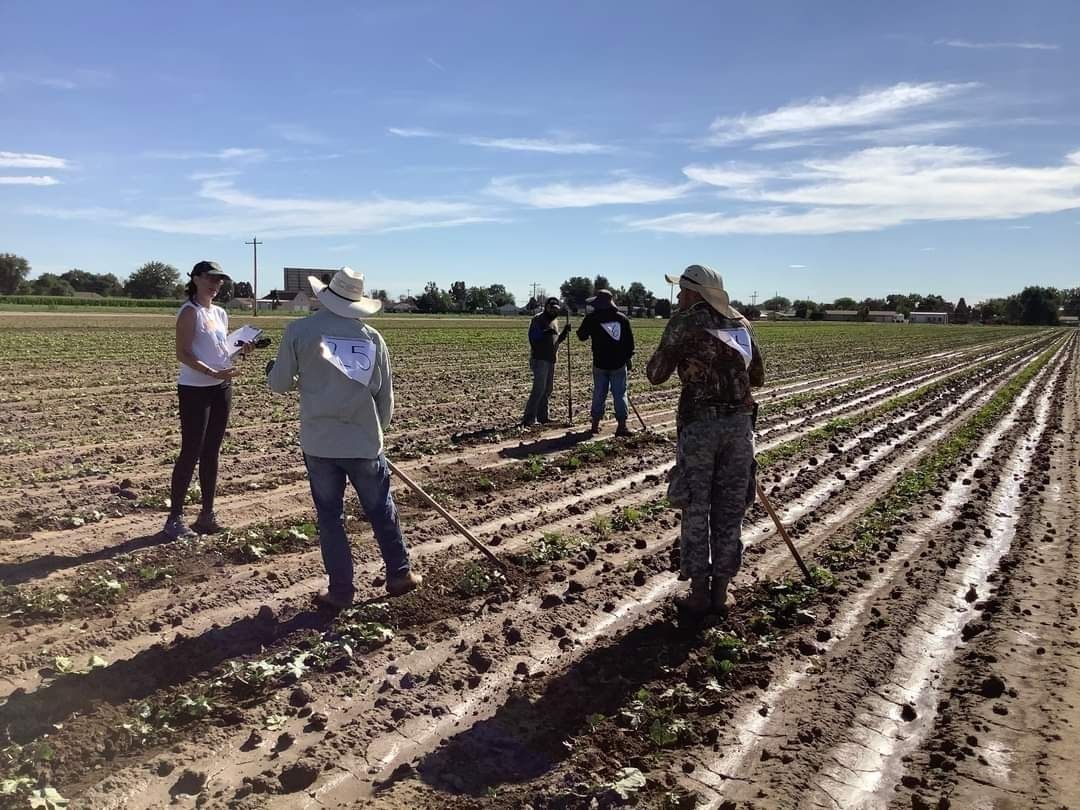
My foundation. Over fifteen years assessing and preventing biomechanical and psychophysical risks across manufacturing, agriculture, forestry, healthcare, and office environments, from field campaigns to global evidence synthesis.
Contributor to systematic reviews on occupational exposures (dusts, fibres, ergonomic risk factors), published in Environment International.
Commissioned by the European Agency for Safety and Health at Work to review the evidence on heat exposure and worker safety in the construction sector, and the preventive measures already in use across Europe.
On-site occupational health studies across three countries: agricultural workers in Colorado (vegetable pickers, milking parlour operators) and in Italy (tractor drivers, forestry loggers, healthcare workers, milkers), and truck drivers in Belgium.
Methods: observational risk assessment, validated OSH protocols, systematic review, WHO/ILO evidence standards, D.Lgs. 81/08 compliance.
Measuring the body at work, in real time.
How new sensing technologies are changing our ability to monitor, predict, and prevent work-related health risks, and the methodological and ethical questions they raise.
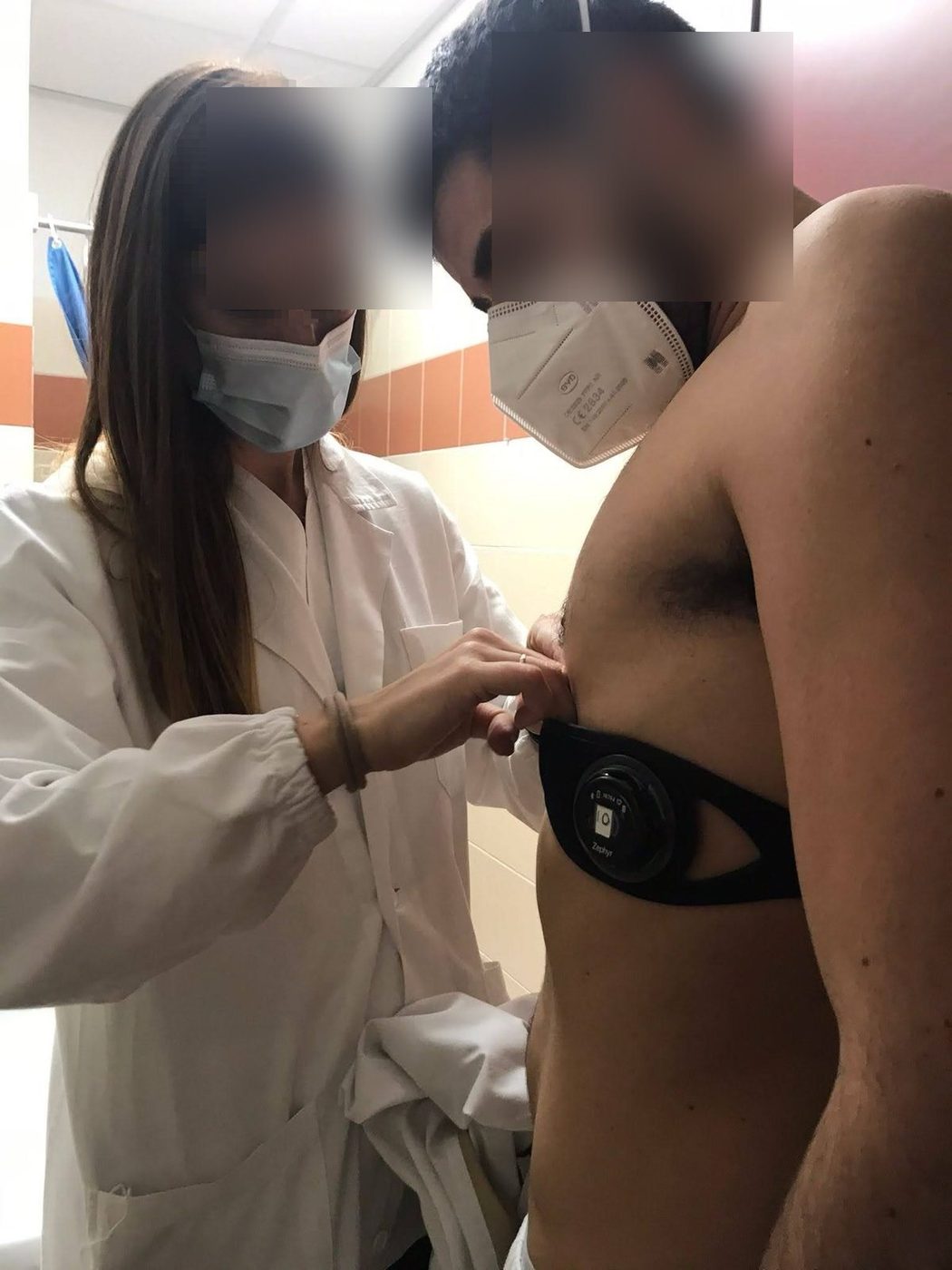
Studies on stress, sleep, and fatigue in professional drivers using commercial and research-grade wearables. Published in Sleep Medicine and IEA Proceedings (Springer).
Design and validation of measurement protocols across occupational and clinical settings.
Devices & signals: Zephyr BioHarness, EEG, ECG, cortisol, actigraphy, motion sensors; Fitbit, Garmin, WHOOP.
Anticipating how work and health will change.
246 experts · 5 ILO regions · 4 alternative futures to 2050
Participatory futures methods applied to occupational health, the future of work, and health systems, turning uncertainty into structures organisations can act on.
Designed and delivered the first global participatory foresight programme on occupational safety and health in the UN system. Mobilised 246 respondents across five ILO regions, producing four alternative futures, 41 validated signals, and 18 priority drivers now informing the ILO's next Global OSH Strategy. The VR methodology used for stakeholder immersion is detailed in "Inhabiting Possible Futures: Virtual Reality for Participatory Scenario Exploration in Institutional OSH Foresight," submitted to Futures.
Founder and team lead of a permanent foresight research group within the Italian Society of Ergonomics. The Lab's home-care futures work, including the Optimens case study, is published in Ergonomics (2024), with a follow-up paper submitted to Futures.
STEEP scanning, scenario development, and cross-impact analysis of 29 trends. SMART policy roadmap to 2050, submitted to Health Policy.
Methods: hybrid Delphi, STEEP analysis, participatory horizon scanning, scenario matrix, cross-impact analysis, VR-based stakeholder immersion.
Looking for a research partner on occupational health, wearable monitoring, or a foresight programme? I design and lead the full process, from study design to validated, publishable results.
Discuss a research collaboration
What if every product came with a label that told you not just its carbon footprint, but its full impact on human health, animal welfare, and the living systems we all depend on? And what if that label were built not by a certification body, but by the communities it is meant to serve?
IDEAL, short for humanIty centereD onE heAlth Label, is that idea in research form. The project, developed as a KU Leuven IDEALAB grant consortium, applies humanity-centered design and One Health principles to a concrete challenge: creating a dynamic, democratic, blockchain-enabled sustainability label that gives every consumer, company, and researcher the tools to make choices that are good for people, animals, and the planet.
IDEAL is not a finished product. It is a research agenda, a coalition-building exercise, and an open invitation. The IDEALAB phase brought together eleven researchers across biosystems, bioeconomics, media studies, public governance, and environmental science. The next step requires a broader consortium and EU-level funding to move from concept to protocol.
If you work in One Health, circular economy, digital health, human-centered design, behavioral science, or sustainability governance, and you see yourself in this project, I would like to hear from you.
Design the label with citizens, companies, policymakers, and researchers from the start, not after the fact.
Connect human, animal, and environmental health data in a single, transparent, open-access framework.
Reward sustainable choices with credits. Build an economy where doing good is also doing well, for everyone.
Apply AI and big data to anticipate the long-term systemic effects of production and consumption, not just measure the present.
2025
2024
2023
2021
Full list available on request, or via Scopus (ID 57192907886) · ORCID · LinkedIn.